
 There are various reasons why your heating oil furnace stops working one day. For simple problems, you may be able to find the solution yourself and save yourself a service call. In other more complex cases, you will need to reach out for help from the Westmore service team. The last thing you want to do is start guessing and try to make a repair on your own. You may end up causing an even bigger, more expensive problem with your furnace.
Before we begin with diagnosing simple problems that often arise, here’s a primer on how heating oil furnaces work. Getting to know your furnace better makes you more informed if a heating problem does happen this winter.
Because it generates heated air, a furnace is also known as a forced-air or warm-air system. Here is how it produces heat.
If your heat stops working and you’ve confirmed that there isn’t a power outage in your community, your next step should be to check for a tripped circuit breaker or a blown fuse. You also should check to see if the power switches to your furnace have been accidentally turned off.
If you find that power switches for your heating system have been turned off by mistake, simply turn the electrical switches back to the “on” position and your problem may be solved.
If your power switches are not the problem, next check your circuit breaker box to see if all circuit switches are still in the “on” position. Flipping the proper switch to on again may be all you need to get your system running again.
However, please keep this in mind: a circuit breaker rarely ever trips for no reason. If this happens once and never happens again, it may be just a fluke. But if this happens more than once, contact us for an inspection, as this could mean a serious problem.
Many instances of furnaces not working can be caused by the thermostat, whose signal to your heating oil furnace to turn on may be interrupted if the wiring of the thermostat has begun to deteriorate. A build-up of dust inside your thermostat is another common reason why your thermostat is not operating correctly. Another thing to look for are weak batteries in the thermostat.
Make sure your thermostat is set to at least five degrees higher than your current room temperature so the furnace “knows” you need more heat.
If you call to order your fuel, make sure to check your heating oil tank regularly—especially in the middle of a cold snap. You should not let your oil tank fall below the ¼ mark. To prevent runouts, ask us about switching to our automatic delivery service, which is designed to prevent runouts and does not cost anything extra.
Like any piece of equipment, your heating oil furnace will eventually have to be replaced one day. A new furnace can be a better choice than paying for another furnace repair because you will be able to reduce your annual heating expenses substantially.
The most modern oil furnaces have adjustable speeds and are very energy efficient. They feature high-pressure flame-retention burners, durable heat exchangers and microprocessor-based controls. This could save you a lot of money on heating costs in the years ahead.
If you think your furnace is wearing out, research your replacement options soon and then reach out to our equipment experts for advice.
Westmore partners with the National Energy Improvement Fund (NEIF) to provide financing so our customers can take full advantage of the equipment upgrades we offer.
NEIF provides loan lengths of three, five or 10 years on its EnergyPlus financing for qualifying purchases with NEIF-approved contractors like Westmore Fuel. NEIF does not run credit reports, so your credit will not be affected in any way. Read more about financing through NEIF.
From Greenwich, Darien, Stamford and Port Chester to Mount Kisco, New Rochelle, White Plains and surrounding communities, Westmore Fuel has been taking care of our heating oil customers in New York and Connecticut since 1938.
Contact us today to become a Westmore Fuel customer and get all that you want and need for your home comfort.
 A heating oil boiler is not only an efficient way to heat your home, it’s a comfortable way to do it also. Many homeowners prefer hot water heating to warm air systems like furnaces because the heat that boilers create does not dry out the air.
Plus, the heat generated by your boiler, also known as a hydronic heating system, can also be used to heat water in your home. This creates an efficient two-in-one space and water heating solution. Heated water is stored in a separate tank that’s connected to the boiler for later use.
Steam boilers can still be found in older homes in Fairfield County, CT and Westchester County, NY. If you have this type of system, your boiler stays true to its name because it needs to boil water to make steam before your heat can be distributed through your home.
In comparison, newer boilers do not need to boil the water to make steam. Instead, they use hot water to distribute heat through a home’s piping. The heat is distributed through your home by either radiators or baseboards.
Because a boiler is a closed-loop system, water does not need to be constantly brought in or replaced, making it more efficient.
Some of the key components of a heating oil boiler include:
While the average boiler will last about 20-25 years—as long as a proper maintenance schedule has been followed–there are many home boilers out there that are even older than that. And while they may still be keeping homes warm enough, their efficiency rate is much lower than a new hot water boiler, which means you are using more fuel to generate heat.
Besides age, other signs that your boiler may be wearing out include signs of corrosion, frequent breakdowns, and expensive repairs.
Westmore Fuel has heating system options for every home and budget. We often install the System 2000 boiler from Energy Kinetics, the most efficient and versatile integrated heat and hot water system. Some of our customers have enjoyed annual savings of up to 40% after they upgraded to the System 2000. Plus, their homes stay warm and toasty no matter how low the outdoor temperatures fall.
Westmore partners with the National Energy Improvement Fund (NEIF) to provide financing so our customers can take full advantage of the equipment upgrades we offer.
NEIF provides loan lengths of three, five or 10 years on its EnergyPlus financing for qualifying purchases with NEIF-approved contractors like Westmore Fuel. NEIF does not run credit reports, so your credit will not be affected in any way. Read more about financing through NEIF.
From Greenwich, Darien, Stamford and Port Chester to Mount Kisco, New Rochelle, White Plains and surrounding communities, Westmore Fuel has been taking care of our heating oil customers in New York and Connecticut since 1938.
Contact us today to become a Westmore Fuel customer and get all that you want and need for your home comfort.
 Heating oil tanks can last for decades, but like anything else, they eventually need to be replaced. Life spans vary depending on the humidity in the environment, the thickness of the tank’s wall and other factors.
If your oil tank is more than 30 years old, it’s a good idea to check into your heating oil tank replacement options.
When tanks do fail, it’s usually hard to see a problem coming, because they generally erode from the inside out. That’s why we recommend getting periodic professional tank inspections from us. However, it’s also a good idea to do your own visual inspections every so often. That’s because there are some trouble signs that can be seen. This will provide you with a clue that a problem with your tank may be brewing. These trouble signs include:
Besides just wearing out due to age, a heating oil tank can fail because of condensation on the inside. When there is a lot of empty space in an oil tank during the spring and summer, condensation can form along the inside walls. This eventually turns into sediment later, and, if ignored, can result in corrosion.
To avoid condensation from forming, you should keep your oil tank full during the warm-weather months.
If you need your heating oil tank replaced, you can reach out to Westmore Fuel with confidence. We have decades of experience installing heating oil tanks for homes and businesses in Westchester County, NY and Fairfield County, CT. Our installation crews work quickly and efficiently, and always show respect for your property.
The same Westmore Fuel crews can remove your existing aboveground or underground tank. We will then replace it with a new storage unit, in the same or a different location. As with any of our installation services, we will clean up the area before we consider the job fully completed.
For underground tanks, we use a backhoe for installations and removals. We will coordinate with you in advance to make sure we have access to the heating oil tank installation location and that the area is free of obstructions. Once the heating oil tank is installed and the backhoe is off your property, we manicure the area to return it to its normal state.
Today’s heating oil storage tanks are miles ahead of old models, because they are virtually leakproof and have features that include:
We will help you make your choice based on your historic fuel usage, the installation location terrain and any municipal or commercial regulations in your area.
Once your tank is installed, you can rest easy: Westmore Fuel provides reliable heating oil deliveries and offers service plan coverage that includes 24/7 emergency service.
From Darien, Greenwich, Stamford and Port Chester to Mount Kisco, New Rochelle, White Plains and surrounding communities, Westmore Fuel has been taking care of our customers in New York and Connecticut since 1938.
We have a dedicated staff of employees who are always ready to help you. They live in the communities they serve, and they understand the needs you have. Their knowledge and commitment help us to deliver not only B20 Bioheat Plus fuel but quality and value—all backed by many decades of heating oil experience.
Contact us today to become a customer and get all that you want and need for your home comfort.
 Westmore Fuel makes managing the fuel supply for your trucks and other equipment easy with our on-site commercial fleet fueling services. In addition to competitive rates, you’ll get the most reliable on-site fuel deliveries in the region. We offer on-site fueling for all diesel-powered vehicles and machinery and serve as the trusted fuel supplier for delivery companies, manufacturers, construction companies, government agencies and countless other entities.
Here’s how fleet fueling works as well as the multiple ways it can help your business in Fairfield County, CT and Westchester County, NY.
Westmore Fuel is proud of our strong partnerships with our commercial clients. We fully understand how delivery of top-quality biodiesel fuel is critical to the success of your New York or Connecticut business. You can depend on us to meet your diesel fuel needs all through the year.
Whether you need to fuel delivery trucks, construction vehicles, generators during a power outage or anything else, Westmore can help keep your fleet on the road and critical equipment up and running with as little disruption as possible. We work hard to make sure our premium biodiesel fleet-fueling services are convenient and dependable and geared to save you time and money.
To receive an expert analysis and a quote for your commercial fuel needs, reach out to us today.
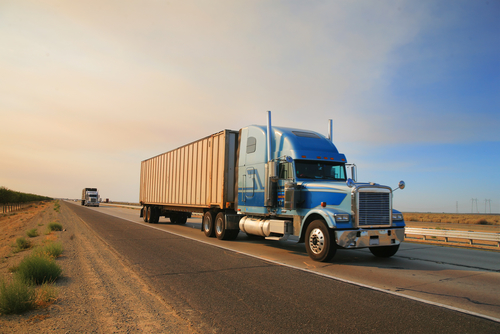 Westmore Fuel works with any business in our service area that owns diesel-operated vehicles, from a few trucks to big fleets. We are also a commercial fuel supplier for any operation that relies on off-road biodiesel to run their on-site power equipment.
We only deliver ultra-low sulfur biodiesel blends, which produce far less carbon emissions than traditional diesel fuel. Westmore blends and rack injects biodiesel at our own marine storage terminal to ensure quality control. From there, we can deliver the biodiesel to your on-site storage tank. If you don’t currently have a fuel storage tank on your site, we can help you get set up.
Here are five things you can expect from us as your biodiesel fuel supplier:
Biodiesel is the first and only EPA-designated advanced biofuel in commercial-scale production across the country. Biodiesel blends produce far less carbon emissions than traditional diesel fuel. It is a true local green alternative.
Westmore Fuel’s biodiesel is 100% made USA product, produced from the husks of soybeans. At Westmore Fuel, we provide the following premium soybean-derived fuel blended with high-performance diesel additives:
Every diesel engine can use biodiesel blends. No engine modification is needed.
The most common biodiesel blend is B5 (5% biodiesel). This B5 blend represents a good balance of cost, emissions, cold-weather performance, materials compatibility, and the ability to function as a solvent.
Biodiesel raises the cetane number of fuel and improves fuel lubricity. A higher cetane number means the engine is easier to start, and that reduces ignition delay.
Diesel engines depend on the lubricity of the fuel to prevent moving parts from wearing out prematurely. Improved lubricity reduces friction within the moving parts, avoiding added wear. A primary advantage of biodiesel is that it can improve the lubricity of the fuel at blend levels as low as 1%.
We believe in it so much that Westmore Fuel has been powering our own fleet with biodiesel since 2008.
Westmore Fuel is proud of our strong partnerships with our commercial clients. We fully understand how delivery of top-quality biodiesel fuel is a critical part in the success of your New York or Connecticut business. You can depend on us to meet your diesel fuel needs season after season, and year after year.
Whether you need to fuel delivery trucks, construction vehicles, generators during a power outage or anything else, Westmore can help keep your fleet on the road and critical equipment up and running with as little disruption as possible. We work hard to make sure our premium biodiesel fleet-fueling services are convenient and dependable and geared to save you time and money.
Westmore Fuel has also partnered with Western Global to make it easy for your business to save money and time with our fleet fueling services. Western Global provides different types of fuel storage tanks, along with parts and accessories, which are designed to keep your job site running smoothly, including its Fuelcube models.
To receive an expert analysis and a quote for your commercial fuel needs, reach out to us today.
 Do you know if you have a boiler or a furnace in your home? You would be surprised by how many people don’t know the answer to that question.
The heating oil system in your New York or Connecticut home can either be a furnace or a boiler. While both of these heating units will keep you warm, it’s worth knowing the difference, especially if a problem occurs.
If it’s something very minor, you may be able to correct it yourself when you know how a boiler and furnace generate heat into your home. Plus, if you need to discuss something with a Westmore Fuel heating oil service technician, you will at least have a working knowledge of how your heating oil system runs.
Because it generates heated air, a furnace is also known as a forced-air or warm-air system. Here is how it produces heat.
Boilers use hot water or steam to heat your home. Another name for a boiler is a hydronic heating system, which is defined as a system that transfers heat via a circulating fluid, such as water, in a closed system of pipes.
Steam boilers can still be found in older homes, usually ones built before the 1950s. If you have this type of system, your boiler stays true to its name because it needs to boil water to make steam before your heat can be distributed.
In comparison, newer boilers do not need to boil the water to make steam. Instead, they use hot water to distribute heat through a home’s piping. The heat from your hot water boiler is distributed through your home by either radiators or baseboards.
Because a boiler is a closed-loop system, water does not need to be constantly brought in or replaced, making it more efficient.
Key components of a boiler system include:
If you think it’s time to replace your old heating oil furnace or heating oil boiler, please contact us about options in new high-efficiency heating oil systems. Today’s heating oil boilers and heating oil furnaces offer New York and Connecticut homeowners a great opportunity to increase their comfort while decreasing their energy usage.
New systems now heat your home using significantly less energy compared to older generation equipment. Energy-efficient equipment can be installed with controls to use only as much fuel as needed to heat your home or a specific part of your home.
A secure supply, ultra clean-burning fuel and a superior service department are among the attributes that make Westmore Fuel stand out.
We provide B20 Bioheat Plus® fuel and equipment service from Mount Kisco, New Rochelle and White Plains to Darien, Greenwich, Stamford, Port Chester and surrounding communities. Westmore Fuel has been taking care of our heating oil customers in New York and Connecticut since 1938.
Reach out to Westmore Fuel today to become a customer and get all that you want and need for your home comfort.
 If you’re not sure if your heating oil or heating oil furnace will make it through another winter, please reach out to your friends at Westmore Fuel.
Now is a perfect time to invest in a new heating oil boiler or heating oil furnace. If your heating system is more than 15-20 years old, you are missing out on highly efficient new technologies that can really save you a lot of money! Plus, convenient appointments with our expert installers are easier to come by right now because it’s the off-season for heating.
Heating oil systems have vastly improved because of advanced technology. The new systems we install are four times more efficient than units from decades ago. Efficient means the system generates more heat with less fuel, which translates to big savings on your energy costs.
Upgrading to a new heating system can save you 20% or more on your annual heating costs. New systems also burn cleaner thanks in part to developments like ultra-low sulfur Bioheat® fuel. This means your heating system can last longer with fewer repairs.
To make your investment in a new heating oil system easily affordable, Westmore partners with the National Energy Improvement Fund (NEIF) to provide financing so our customers can take full advantage of the equipment upgrades we offer.
NEIF provides loan lengths of three, five or 10 years on its EnergyPlus financing for qualifying purchases with NEIF-approved contractors like Westmore Fuel. NEIF does not run credit reports, so your credit will not be affected in any way.
Read more about NEIF financing.
Homeowners can now claim a federal tax credit of up to $600 for installing ENERGY STAR-certified heating oil systems that use renewable fuel blends of at least 20% biodiesel.
Since Westmore Fuel installs high-efficiency heating oil systems compatible with our B20 Bioheat Plus® fuel, our customers can save money with this tax credit!
Westmore Fuel has heating system options for every home and budget. As one example, we install the System 2000 from Energy Kinetics, the most efficient and versatile integrated heat and hot water system. Some of our customers have experienced annual savings of up to 40% after they upgraded to the System 2000. Plus, their homes stayed warm and toasty no matter how low the outdoor temperatures fell.
Whatever system you choose, your heating equipment installation will be done quickly and cleanly, with minimal disruption to your home and family. Most importantly, it will be done right the first time– and always at a fair price. Here is what you can count on:
A secure supply, ultra clean-burning B20 Bioheat Plus® fuel and a superior service department are among the attributes that make Westmore Fuel stand out.
We provide heating fuel and equipment service from Darien, Greenwich, Stamford and Port Chester to Mount Kisco, New Rochelle, White Plains and surrounding communities, Westmore Fuel has been taking care of our heating oil customers in New York and Connecticut since 1938.
Reach out to us today to become a customer and get all that you want and need for your home comfort.
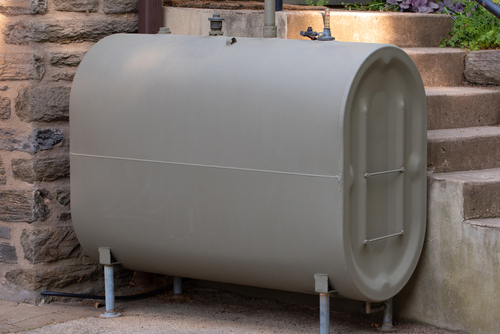
Everyone wants their heating oil tank to last as long as possible. Well, here’s an easy way to protect your tank and in the process extend its life: don’t leave your tank with little fuel in it during the warm weather months. You should keep your tank at least half full (preferably more) during the off-season. Here’s why.
Water condensation can form in the empty space in your tank. And condensation is more common during the summer. Hot, humid days and cool nights create the right atmosphere for condensation buildup to accelerate inside your tank. And if your tank is aboveground, outdoors and in an unshaded area, it’s especially prone to condensation.
After water forms on the bare walls of the empty area of the tank, it drips down and sinks to the bottom. This is because water is denser than heating oil. There it becomes an ideal environment for bacteria and other microorganisms. Over time, these turn into sediment that can create problems with your oil tank. One problem is that sediment, also known as sludge, can get into your fuel lines and clog them up. This causes your heating system to shut down.
The same condensation that results in sludge can also corrode your tank from the inside out—a big problem that you wouldn’t know about, and which would be costly to remediate.
If you need your heating oil tank replaced, you can reach out to Westmore Fuel with confidence. We have eight decades of experience installing heating oil tanks for homes and businesses in New York and Connecticut. Our installation crews work quickly and efficiently, and always show respect for your property.
The same Westmore Fuel crews can remove your existing aboveground or underground tank. We will then replace it with a new storage unit, in the same or a different location. As with any of our installation services, we will clean up the area before we consider the job fully completed.
For underground tanks, we use a backhoe for installations and removals. We will coordinate with you in advance to make sure we have access to the heating oil tank installation location and that the area is free of obstructions. Once the heating oil tank is installed and the backhoe is off your property, we manicure the area to return it to its normal state.
Today’s heating oil storage tanks are light-years ahead of old models, because they are virtually leakproof and have features that include:
We will help you make your choice based on your historic fuel usage, the installation location terrain and any municipal or commercial regulations in your area.
Once your tank is installed, you can rest easy: Westmore Fuel provides reliable heating oil deliveries and offers service plan coverage that includes 24/7 emergency service.
The heating oil tanks we install are strong and well made. However, since they are exposed to the elements or to underground moisture, it’s a good idea to have a Westmore Fuel expert inspect your oil tank at least once a year. This inspection is particularly important once your tank is five or more years old or is in a very exposed location.
In between, here are some things you can check yourself on your aboveground heating oil tank. Look for:
If you notice any of these signs, let us know so we can evaluate your tank and make a recommendation.
A secure supply, ultra clean-burning B20 Bioheat Plus fuel and a superior service department are among the attributes that make Westmore Fuel stand out. Contact us today for heating fuel and equipment service in Stamford, CT and many other communities in Connecticut and New York.
 Next to heating and cooling, heating your water is the next largest use of energy in your New York or Connecticut home. It usually accounts for nearly 20% of your energy costs. That’s no surprise, since the average household uses 65 gallons of hot water a day for showers, dishwashing, washing clothes and other normal chores.
If you’re relying on an old, inefficient electric water heater, you can do better by switching to a much more efficient oil-powered water heater. Heating oil uses a lot less energy than electricity for heating water and it’s better for the environment. And it will solve the problem of constantly running out of hot water. Here’s why.
First, an oil-fired water heater heats water much faster and for less money, compared to an electric water heater. You should never run out of hot water when you rely on an oil-powered water heater!
Second, electricity made at a coal-fired or natural power plant generates significantly more carbon dioxide emissions than heating oil. Make the switch to an oil-powered water heating unit fueled by our eco-friendly B20 Bioheat Plus® fuel and you’ll not only save money, but you’ll also reduce your carbon footprint.
Today’s oil-fired water heater technology is also far superior to older models, which will guarantee you water heating savings for years to come.
Indirect-fired water heaters use the burner inside your heating oil boiler to heat your tap water. Anytime your boiler is heating your home, your indirect water heater works free because it’s not using extra energy. An indirect-fired water heater is one of the most efficient water heating options available, and Westmore Fuel offers professional installation of these units from top manufacturers.
A direct-fired water heater is the kind of water heating that most people know well. It’s the most common type of water heater, with a dedicated burner inside to heat water that is stored in a tank. As you use the water in the tank, the supply of hot water is constantly replenished. This is a good choice if you heat your New York or Connecticut home with a warm-air furnace, instead of a hydronic system (boiler) that uses hot water or steam to heat your home.
Running out of hot water is only one signal that you would do well to upgrade your old water heater. Here are five other issues to consider.
You can have confidence that the certified and experienced Westmore Fuel technicians who arrive at your home to install your new water heater have been thoroughly trained to do the job. Plus, every water heater we install is covered by a manufacturer’s warranty, and we stand behind our installations with a 100%-satisfaction guarantee.
Whether you want to replace your old water heater now or simply want to learn more for future reference, one of our water heater equipment experts will be happy to give you advice.
Westmore Fuel is your best choice for hot water heater installation in Greenwich, CT and beyond. We have decades of experience in evaluating our customers’ hot water needs. We will be happy to review your usage and provide a free estimate for the cost of a new hot water heater, along with the expected savings you will experience with your new unit. You can trust the professionals at Westmore Fuel to provide friendly, reliable and speedy service that will restore your hot water and your peace of mind.
Please reach out to us today to request a free estimate on a new oil-powered water heater installation.
 Today’s high-efficiency heating oil furnaces provide many Westmore Fuel customers with a great opportunity to increase their comfort while decreasing their energy usage. New furnaces can now heat a home using significantly less energy compared to older generation equipment.
Knowing more about how your furnace works will help you to make smart choices if you’re considering replacing your old heating system with a new, high-efficiency model. And if you’re having a heating problem, knowing more about how your furnace works will be helpful when you discuss the issue with our service technician.
Also known as warm-air or forced-air systems, furnaces produce heated air in the combustion chamber.
Besides heat, the ductwork that connects with your furnace can provide other kinds of conditioned air, including through:
As noted, today’s high-efficiency furnaces provide extra heat more efficiently than units made a generation ago. Higher efficiency means more energy savings, which of course translates into lower energy costs. This is why it pays to learn as much as you can about today’s high-tech heating solutions—and Westmore Fuel is here to help you, with the installation of the latest high-efficiency heating oil furnaces.
Our knowledgeable installers examine your current system, not only the old furnace, but the ductwork as well. Where other heating companies may just replace the furnace connecting it to existing ductwork, we upgrade the ducts to ensure optimal hot air carrying capacity and flow.
Westmore’s installation team is our own, we never use contractors. That means we can stand behind our work and will be there for you in the years to come.
Westmore Fuel has been taking care of our customers in Darien, CT and other communities in Connecticut and New York since 1938. Contact us today to become a customer and get all that you want and need for your home comfort.